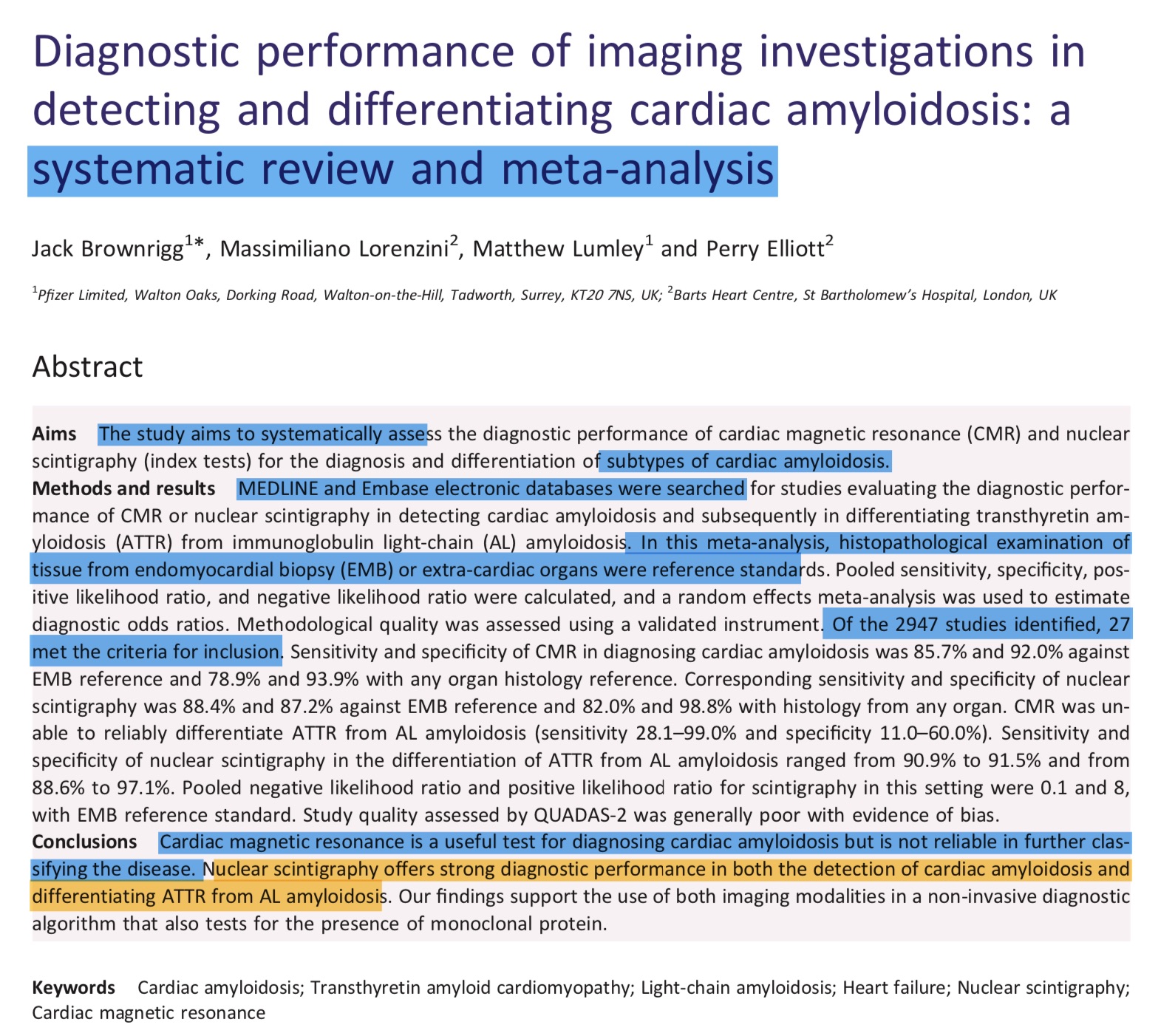
- Abstract: In the context of scientific writings it means summary of the scientific work.The ‘work’ may be case report/ series of cases, primary (original)scientific research, scientific review(secondary /synthetic scientific research).Structured abstracts are generally preferred over unstructured ones. Structured abstracts have headings similar to the article it summarises. Generally do not exceed 250 to 300 words.
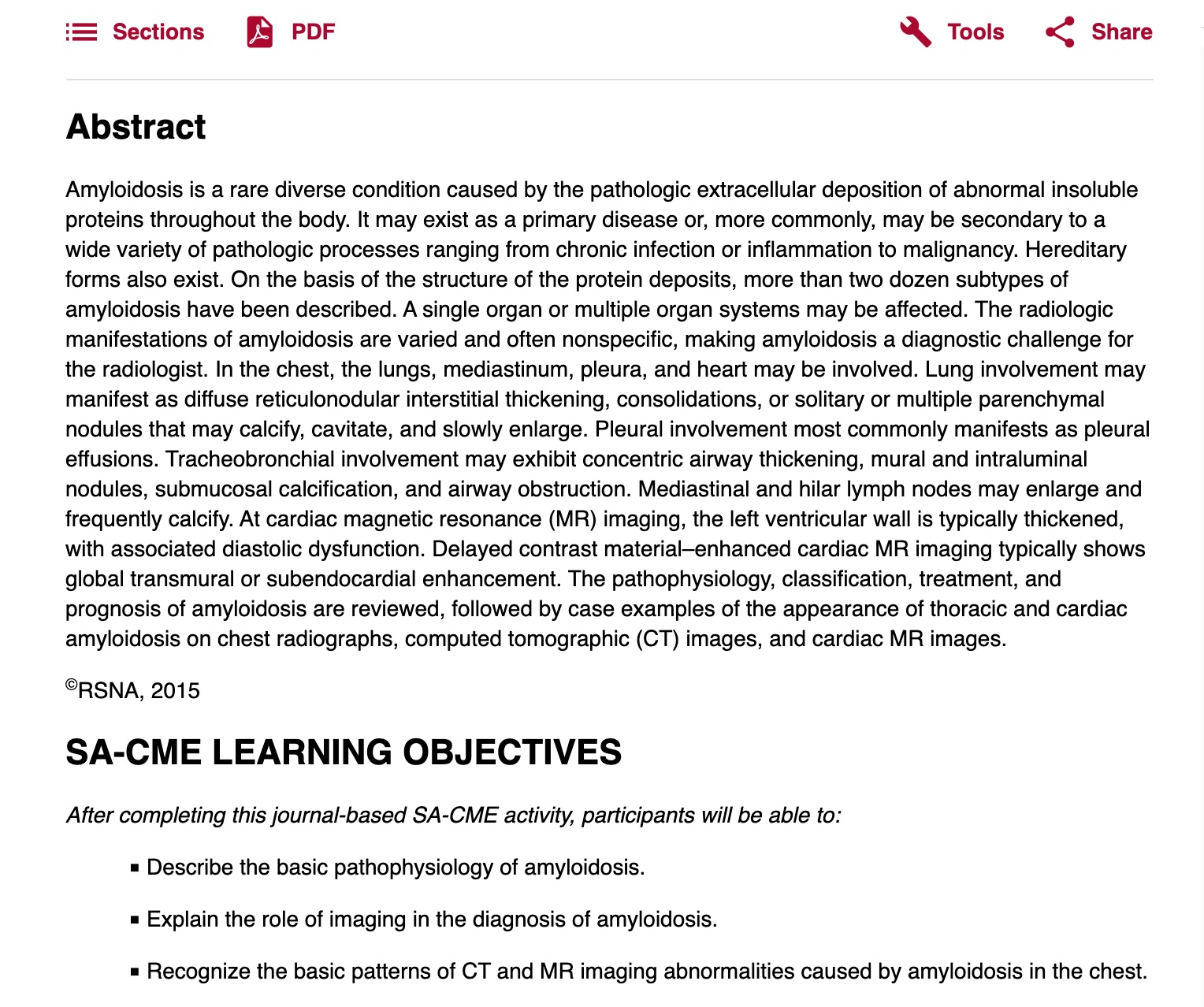
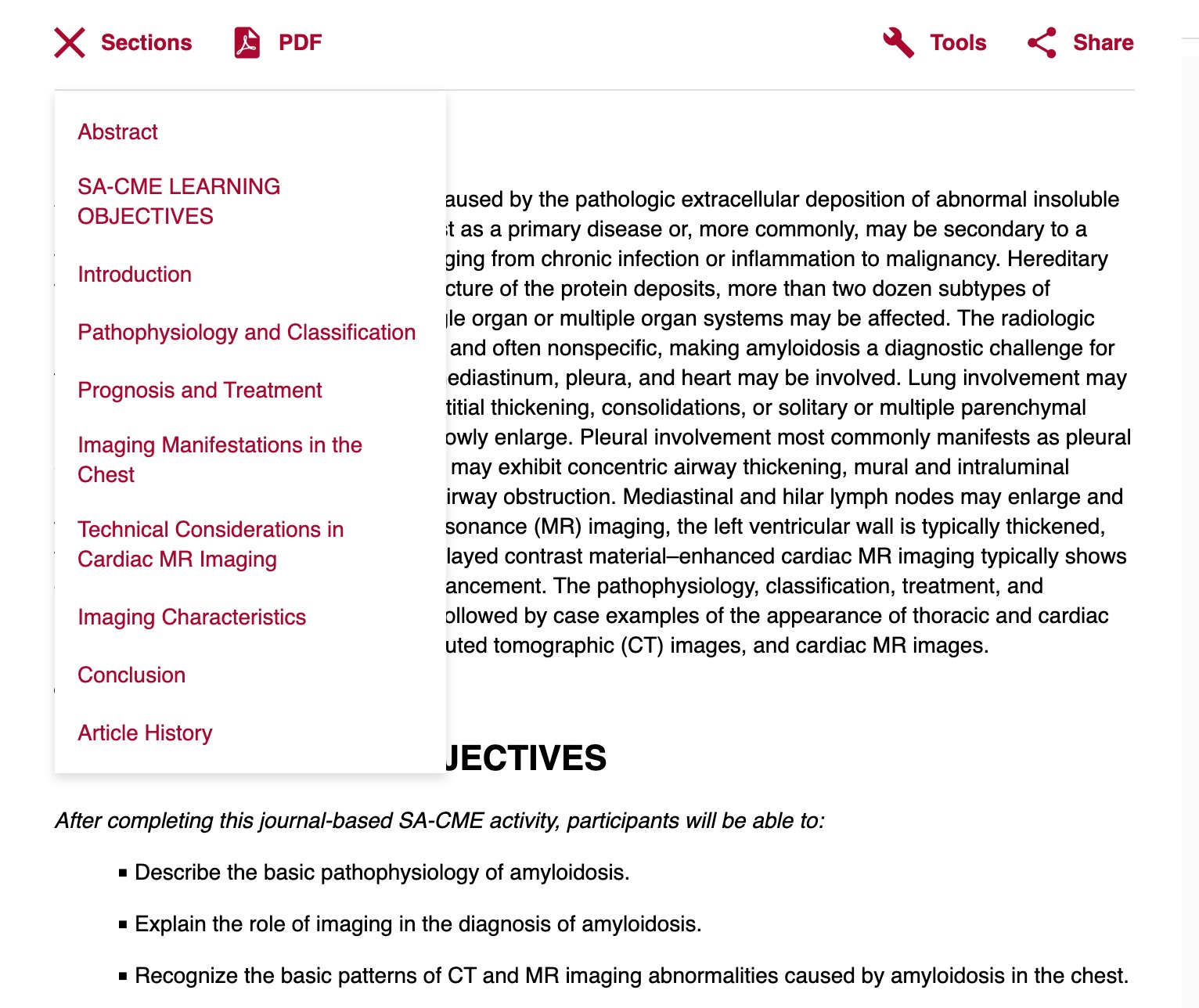
- Educational exhibits address the education/learning component of academic activity. They address the contemporary (established) aspects of the topic. Generally they are comprehensive (cover the breadth) ,though they may be designed to cover depth (for focus).They do not intend to evaluate the current research topics ,nor do they identify future developments on the topic. These type of articles do not have scholarly critical appraisal.Rule of thumb is that at least 70 to 80% of the content(text ,images, videos or any other media)should have originated from the place of work of authors. Full citation of copyrighted materials should be provided.
Example 1:
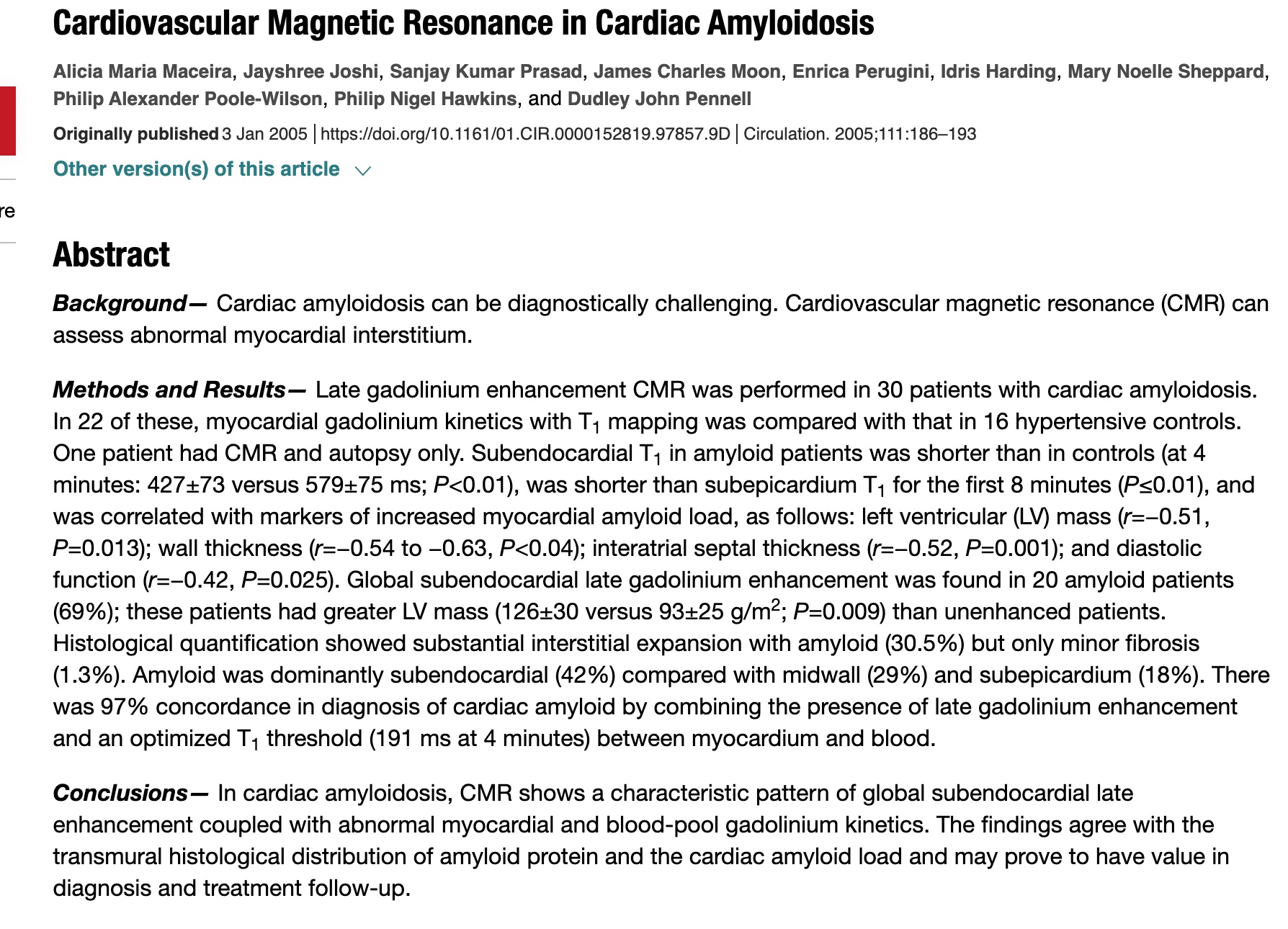
- Primary(original ) research work(conference paper or published journal article) focusses on evaluating current research issues. Based on conclusions ,authors may suggest recommendations for the future. Results and analysis are based on the data collected for the purpose of the particular study.RCT(Randomised Control Trial):Arguably is the best and the rigorous study to evaluate a therapeutic intervention.
Example 2:
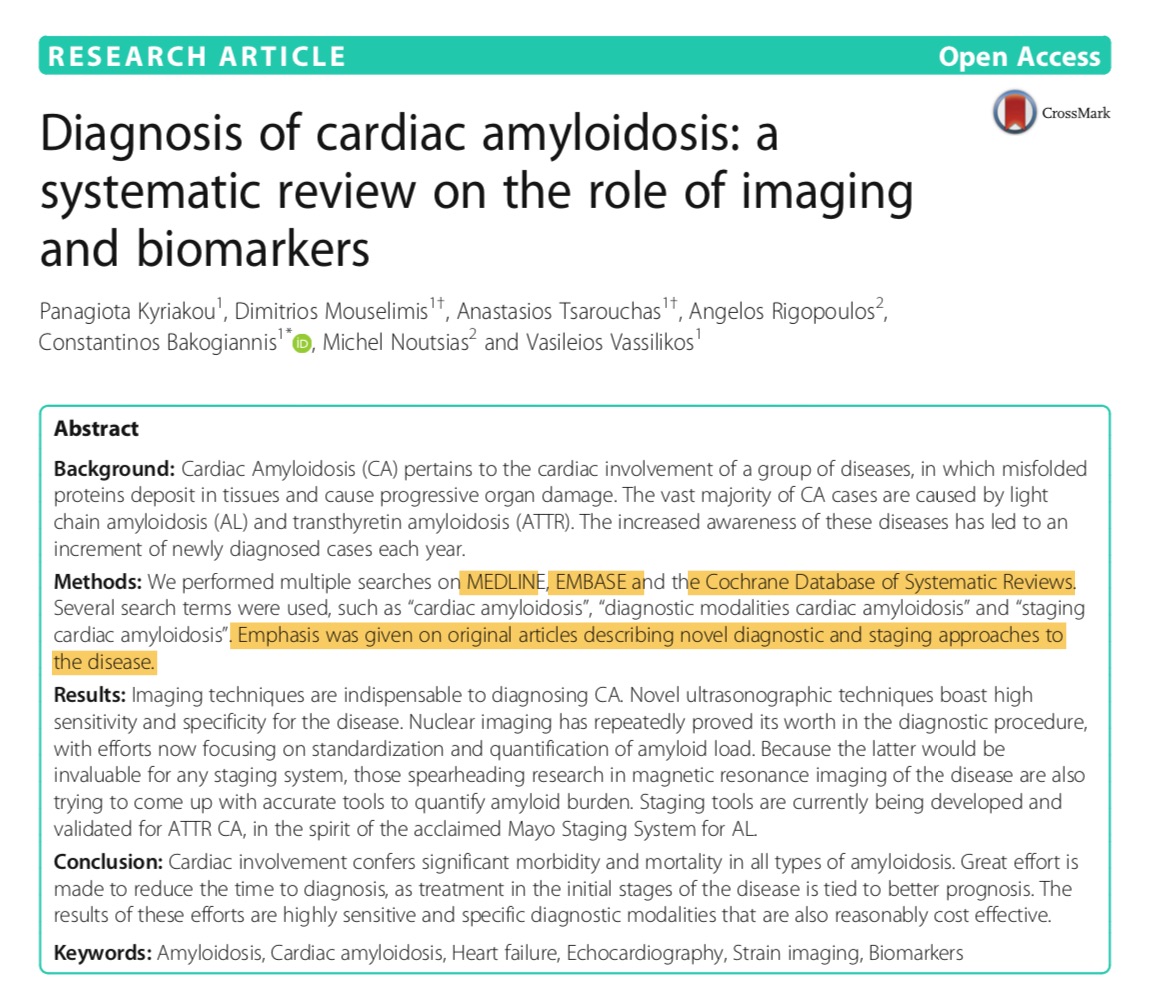
- Review articles: These studies evaluate primary (original) articles published earlier on a specific research question. Authors do not intend to evaluate data of their own as in original studies. Authors gather and critically appraise previously published articles and synthesize evidence.
Example 3:
- Meta analysis: Quantitative extension of systematic review by analyzing the data employing advanced statistical tool. It sits right at the top of evidence pyramid providing the highest level of evidence. A single case report/case series are at the base of the pyramid sitting above the level of ‘expert opinion’.
Example 4: