Tips on Health Insurance!
———————Dr. Madhav Hegde
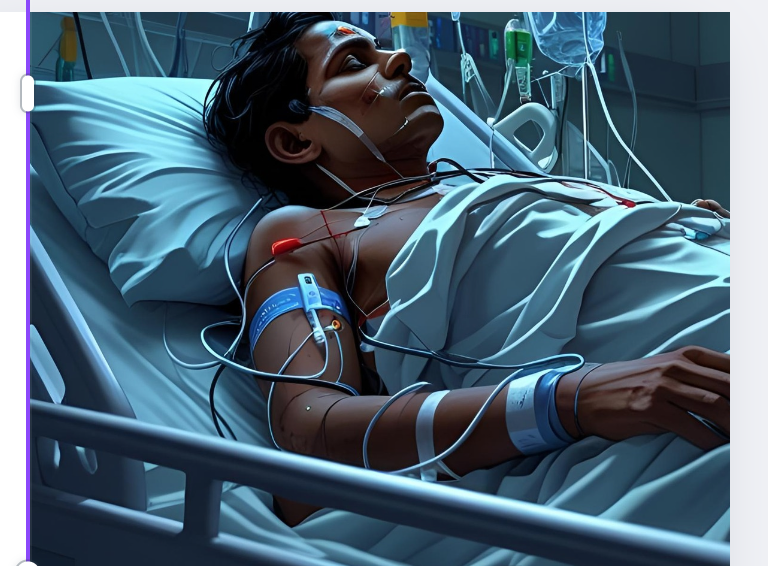
Hope no one falls ill!
This thread might just save you from bankruptcy due to medical expenses despite being insured! Save the thread.
Before we begin, we will understand some terms and abbreviations.
Insurer = Insurance company: They provide an insurance (health in our case) policy.
Example: United Insurance, National Insurance, Oriental Insurance, New India Assurance. These are the major public sector general insurance (health) companies.
Some of the private health insurance companies are ICICI Lombard, HDFC Ergo, Bajaj Allianz, Star Health and Niva Bupa.
GIPSA: General Insurance Public Sector Association formed by major public sector (loosely called government) companies mentioned earlier. They focus on standardisation and prenegotiation of rates in healthcare service.
Insured: The beneficiary (patient) buys an insurance policy by paying a premium to the insurer.
TPA: Third Party Administrator. They are the intermediaries between the insurance company, the policyholder and the provider (hospitals).Their role is to help in the seamless claims process.
Have at least one health insurance policy!
If you have a group health insurance policy (by the employer), add an individual health policy for more flexibility. It also reduces the dependency on your employer.
Note the insurers and TPA (Third Party Administrator) in your policies.
Study the list of PPN (Preferred Provider Network) in your city and region you travel. By doing so, the moral strength of insurance follows you.
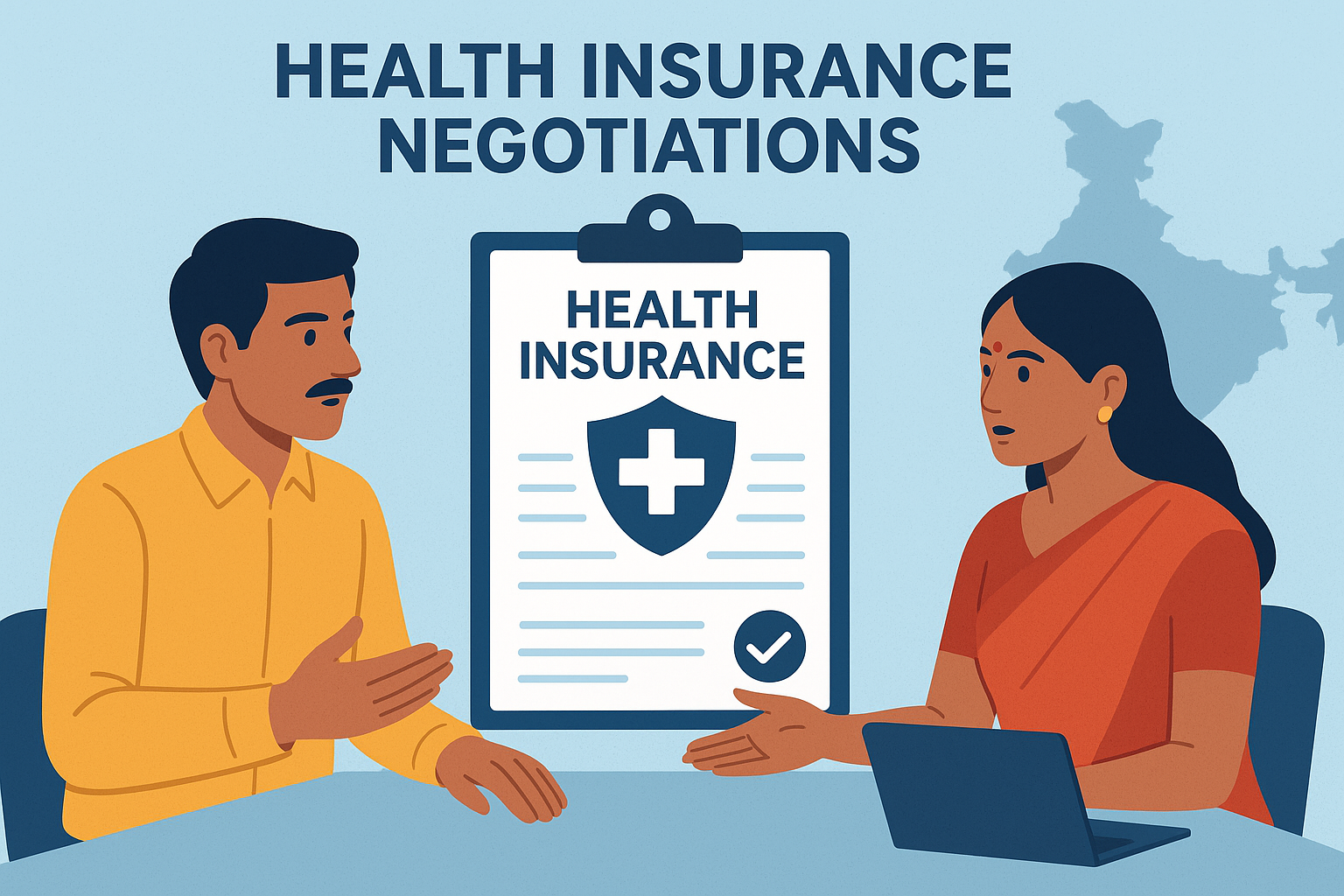
PPN hospital provides the services at the prenegotiated (with the insurer) price.
PPN hospitals are more likely to provide cashless facilities. Always prefer to avail
services from hospitals which provide cashless facilities. Reimbursement after availing the service is cumbersome and leaves a chance for fraud and dissatisfaction.
If you have a PPN hospital in your locality, try to establish a rapport with an emergency medicine specialist or a general physician. The process of hospitalisation and insurance claims may get smoother in that case.
In case of medical emergencies, if anyone avails services from a hospital outside PPN, cashless claims can't happen. Even reimbursement may be delayed and may have impediments.
The settlement rate will be based on reasonable rates in a particular location or area.
Even in PPN hospitals, all the procedures/surgeries/treatment methods may not have a pre-negotiated price. Before any elective (planned/non-emergency) hospitalisation, it is advisable to confirm the cashless claim for the hospital and particular case (kind of illness) in the hospital.
Confirmation is better obtained on emails rather than on a call centre conversation. These confirmations/interactions generally happen with TPAs authorised by insurers of the policy.
Once you decide on the hospital and confirm the coverage under the cashless claim, choose the appropriate ‘room’ as per approved room rent in your policy.
Pause; it is a big thing. The rent slab you pick will decide the rates of all the services and the consumables during the hospital stay.
If you choose a higher slab of room rent, you will have to spend out of pocket. This is applicable both for the room rent and the treatment services you receive if they are priced higher than the negotiated price. This may also lead to a scenario where you may end up paying up to 60% of the overall cost during the final settlement .In a typical policy, this copayment does not exceed 20% (range 10 to 30%).
Example: A hospitalisation with ICU care for 2 weeks may cost 20 lakhs. And you may have to pay
12 lakhs out of pocket!
Understand the billing policy and methods and negotiate on that. See that essential consumables needed for any procedure/treatment method/nursing care are covered under the comprehensive price and not billed separately.
In case of reimbursement, reach your HR team (in case of group insurance) to get the best deal done in the shortest period of time
Finally, NRIs travelling to India on a private/business visit, need to have good travel insurance.